Can I project onto my bedroom ceiling?
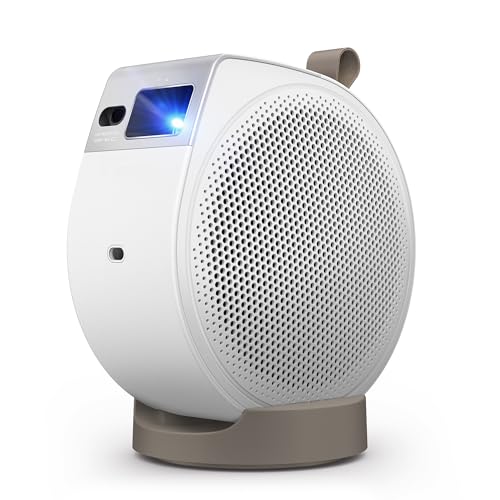
Yes, and it is one of the best ways to watch content in bed. The Samsung Freestyle 2nd Gen tilts 180 degrees upward and the BenQ GV32 rotates 135 degrees, both designed for ceiling projection. Place the projector on your nightstand or at the foot of the bed, point it at the ceiling, and auto keystone correction handles the geometry. You need a flat, white ceiling for the best image. Popcorn ceilings and dark paint will degrade the picture. The image is typically 60-80 inches, which is perfect for relaxed bedroom viewing.
Are projectors quiet enough for bedroom use?
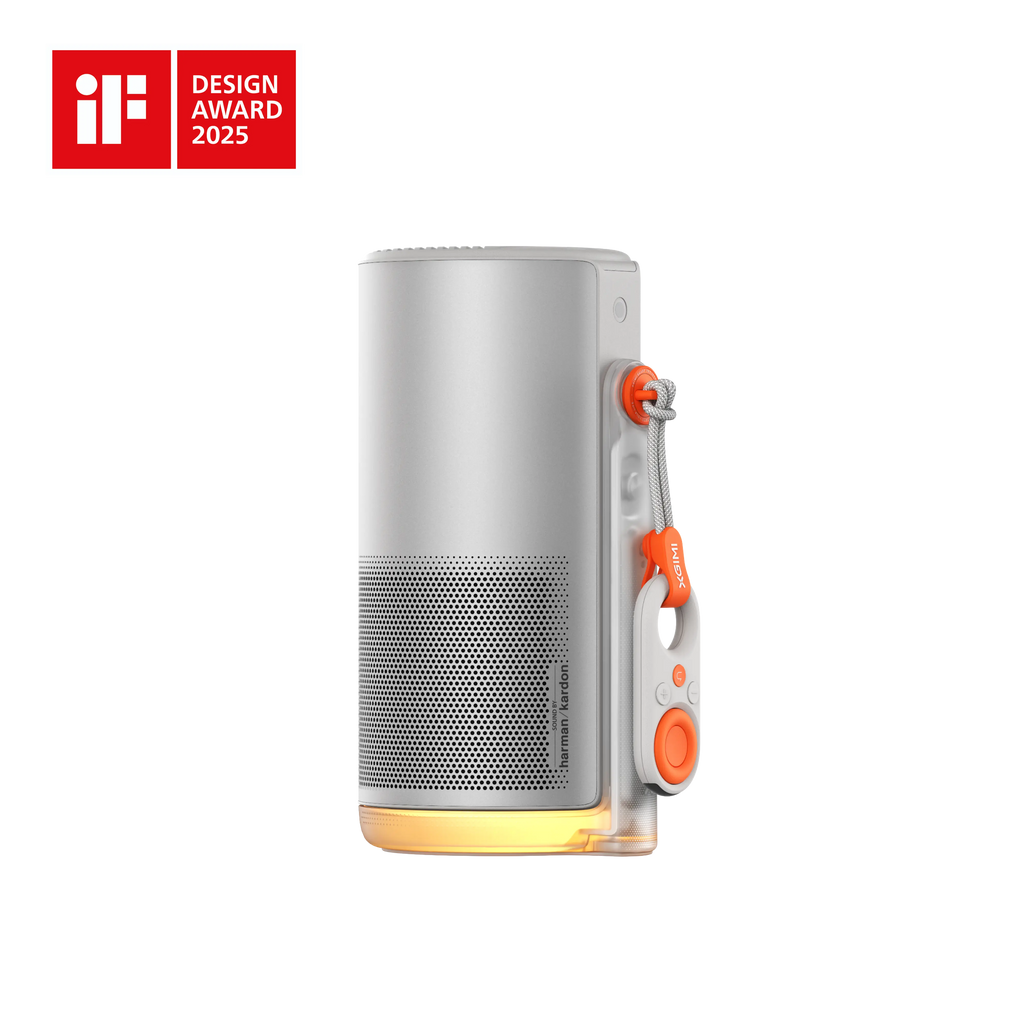
Modern LED and laser projectors run at 25-32 dB, comparable to a whisper. The Samsung Freestyle and XGIMI MoGo 4 are among the quietest options. At normal viewing volume, fan noise is inaudible over the content audio. Eco mode on most projectors reduces fan speed further for even quieter operation. Lamp-based projectors tend to be louder (30-38 dB) and run hotter, so stick with LED or laser for bedroom use. The projector's fan noise will blend into the background within minutes.
Samsung Freestyle or BenQ GV32 for a bedroom?
Get the Samsung Freestyle 2nd Gen ($500) for maximum flexibility: it weighs 1.8 lbs, rotates a full 180 degrees, and moves anywhere in the house. Get the BenQ GV32 ($600) if sound matters: its 18W speaker with 8W woofer delivers real bass no palm-sized projector can, and its 100,000:1 contrast produces deeper blacks for lights-off viewing. The GV32 weighs 9.3 lbs, so it is a stays-put device. Both stream natively: the Freestyle through Samsung Smart TV, the GV32 through Google TV with licensed Netflix.
How bright does a bedroom projector need to be?
450 to 700 lumens is enough for a bedroom with the lights off, which is how these projectors are meant to be used. The picks here span exactly that range: 450 ISO lumens (XGIMI MoGo 4), 500 ANSI (BenQ GV32), 550 (Samsung Freestyle), and 700 ISO (XGIMI Halo+). The Halo+ is the pick if you sometimes watch with a lamp on. None of them can fight daylight, so hang blackout curtains if you want daytime viewing.
Do I need a screen for a bedroom projector?
No. A smooth, matte white wall or ceiling works well at bedroom brightness levels, and most setups project onto whatever surface is available. A proper screen improves contrast by 30-50%, but it also adds permanence that fights the point of a flexible lifestyle projector. If your walls are colored or textured, a simple pull-down screen fixes that. Otherwise, put the money toward the better projector instead.
Can I run a bedroom projector without cables?
Two of the four picks are fully cordless: the XGIMI MoGo 4 ($400) and XGIMI Halo+ ($450) both run about 2.5 hours on built-in batteries, enough for a full movie. The BenQ GV32 has no internal battery but accepts power from a USB-C power bank. The Samsung Freestyle requires wall power unless you buy Samsung's battery base separately ($100+). All four stream over WiFi, so the only wire in question is power.
What's the best projector for watching in bed?
The Samsung Freestyle 2nd Gen ($500) is purpose-built for this. Its 180-degree tilt projects onto the ceiling so you can lie flat and watch, the compact design fits on any nightstand, and Samsung Smart TV covers streaming without an extra device. The BenQ GV32 ($600) is the alternative if you want better speakers (an 18W driver with an 8W woofer) and a rotating wheel that makes angle adjustment simple. Both are quiet enough for bedroom use.
How do I set up a ceiling projector?
Place the projector on a nightstand or shelf near the foot of the bed, pointed upward, and let auto keystone correction square the image. For wall projection instead, put it on a dresser or shelf opposite the wall. In both cases the throw distance sets the picture size: most bedroom projectors produce a 60 to 80 inch image from 6 to 8 feet. A flat white surface gives the best result without a dedicated screen.