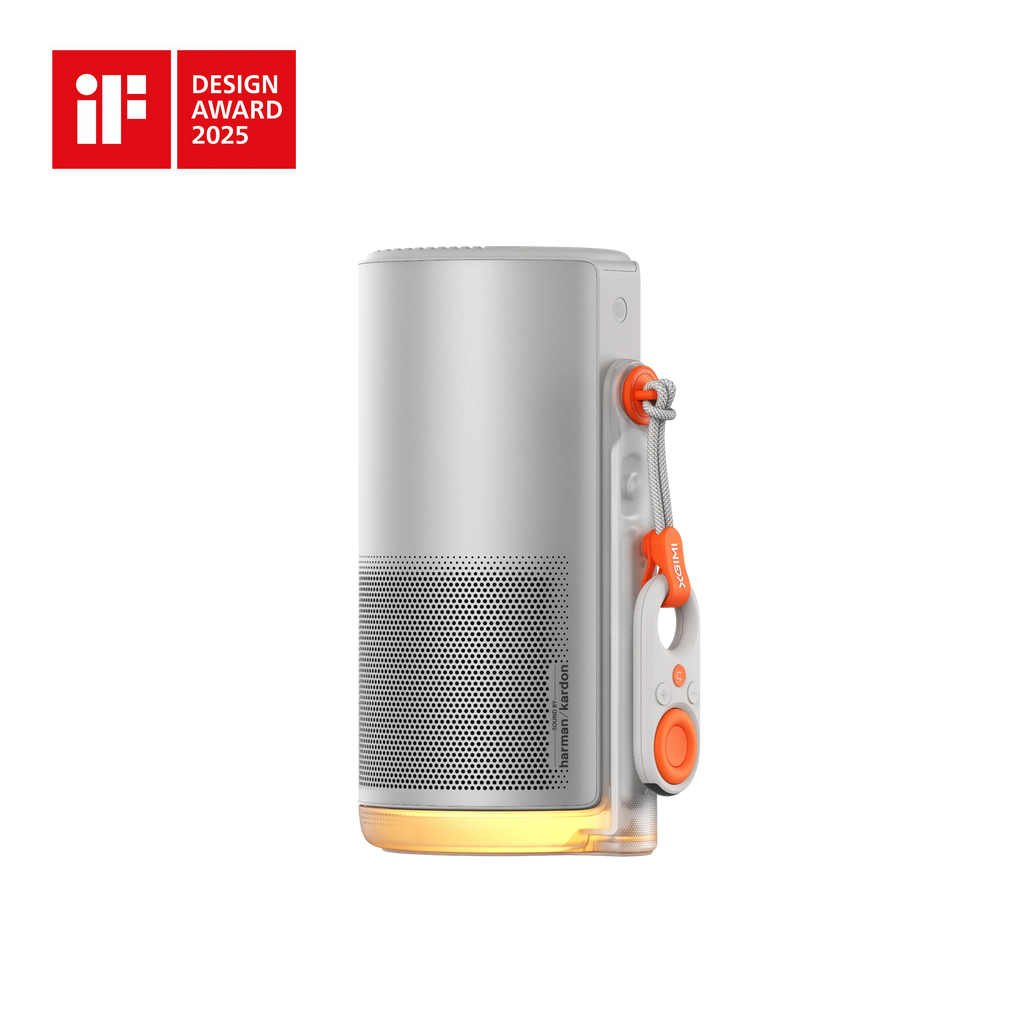
Lower brightness is fine for camping. After dark at a campsite, there is virtually no competing ambient light. A 200-lumen projector (like the Anker Capsule 3) produces a perfectly watchable 60-inch image in complete darkness. 450+ lumens (XGIMI MoGo 4) gives you a brighter, larger image and the flexibility to start watching during twilight. Do not overbuy brightness for camping. Portability and battery life matter more than raw lumens when you are packing gear for a trip.
Power Solutions for Off-Grid Projection
Battery-powered projectors are the simplest solution, with 2.5-5 hours of runtime covering one to two movies. For extended trips, portable power stations like the Anker Solix C300 (~$250) provide multiple full recharges for your projector and can also charge phones, speakers, and other devices. Car inverters work for car camping where your vehicle is nearby. Some campers use small solar panels to recharge during the day. For most weekend camping trips, the projector's built-in battery is sufficient for a nightly movie.
Content Without WiFi
Most campgrounds do not have WiFi, so plan ahead. Download movies and shows to your projector's built-in storage (Google TV and Android TV support offline downloads on Netflix, Disney+, and other apps). Alternatively, load content onto a USB drive and plug it directly into the projector. A fully loaded 128GB USB drive holds 30+ movies in 1080p. The Anker Capsule 3 and XGIMI MoGo 4 both support USB playback as a backup to streaming.
Portable Screen Options for Camping
You can project onto a white sheet hung between trees, the side of an RV, or a portable travel screen. Dedicated travel screens fold down to the size of a camping chair and weigh 2-5 lbs. The side of a white or light-colored RV or van makes an excellent impromptu screen. For the clearest image, a wrinkle-free white surface works best. Check our backyard movie guide for screen recommendations that also work at the campsite, and our pool cinema page for inflatable screen options that pack flat for transport.